Frostrail gameplay: Train Survival and Demo Guide
Explore Frostrail gameplay, train upgrades, crafting, Revenant combat, and practical survival tips for the October 2026 Steam demo.
Frostrail Gameplay: What to Expect From the Demo
Your train can carry you through the frozen wasteland, but Frostrail gameplay makes you responsible for keeping that refuge warm, repaired, and moving. That matters because fuel, crafting materials, and carrying capacity compete for your attention before the monsters even arrive. If you’re exploring Frostrail gameplay for the first time, the October demo introduces a survival FPS built around dangerous scavenging trips and a steam-powered home.
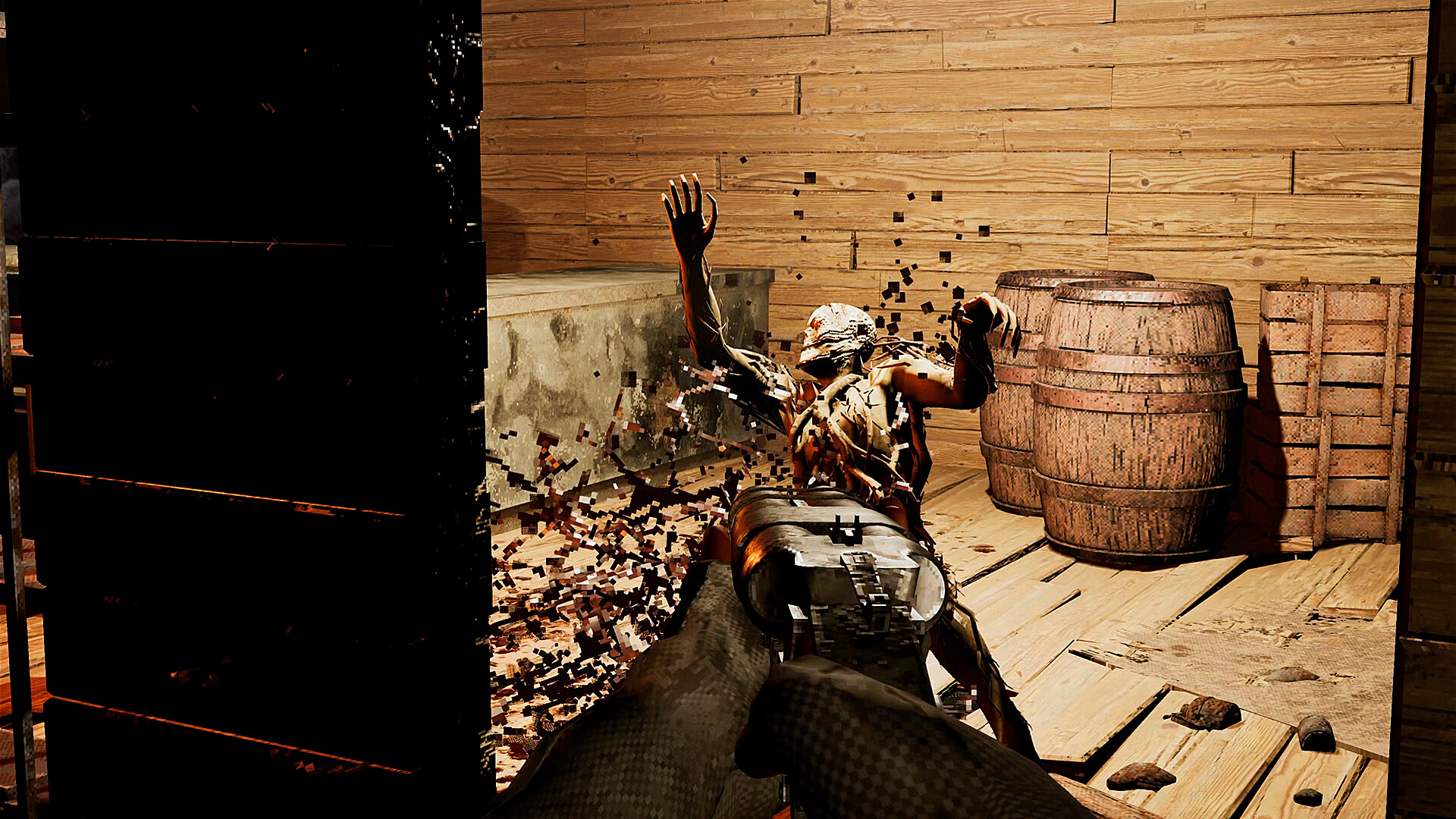
Official screenshot · Source: Steam store
Developed by FakeFish and published by Shiro Unlimited, Frostrail supports solo play and cooperative crews of up to four players. Its core appeal is the connection between exploration and maintenance: every expedition should bring back something that helps you survive the next stretch of track.
This overview draws on official announcements, trailer coverage, and a recorded solo demo playthrough—not firsthand testing. Specific player experiences are identified below, and demo mechanics may change before release.
Demo availability and confirmed features
The announced Steam Next Fest demo window runs October 19–26, 2026. As of October 20, it is within that scheduled period. The developer’s announcement describes the demo as a preview ahead of Early Access, rather than a finished representation of the game.
| Feature | What the available material confirms |
|---|---|
| Perspective and genre | First-person survival with crafting, exploration, and combat |
| Player options | Solo or online co-op with up to four players |
| Mobile base | A steam-powered train that requires maintenance and upgrades |
| Main threats | Freezing conditions, resource shortages, and Revenants |
| Announced demo window | October 19–26, 2026 |
| Development status | Official demo messaging points toward an upcoming Early Access release |
For availability and developer updates, check the official Frostrail Steam announcements and community hub.
The Survival Loop: Scavenge, Build, and Keep Moving
Frostrail gameplay revolves around a repeating expedition cycle: travel to a promising stop, leave the train, gather supplies, and return before exposure or enemies turn the trip into a loss.
Official overview material describes ruined settlements, abandoned mines, and crypts as places to find resources. The recorded demo playthrough shows town scavenging and an underground area, but that does not establish how frequently every location type appears.
The important decision isn’t simply whether an item is useful. It’s whether that item is worth its weight, the time spent collecting it, and the cold endured while carrying it home.
Why ordinary junk matters
Household objects feed the crafting economy. In the recorded playthrough, shoes yield textile scraps, metal objects provide metal scraps, and logs can be processed into wood scraps.
That creates competing uses for supplies. A log can help power the train, contribute to construction, or become processed material. Burning your entire stock may solve an immediate travel problem while delaying a workbench or storage chest.
| Resource or item | Demonstrated use | Practical priority |
|---|---|---|
| Logs and branches | Fuel and crafting ingredients | Reserve some for construction before burning the rest |
| Metal household objects | Recycling into metal scraps | Collect for tools, ammunition, and heaters |
| Shoes and other textile items | Recycling into textile scraps | Process when textile materials are needed |
| Food | Consumable survival supplies | Keep an accessible supply for expeditions |
| Bandages | Recovering health | Carry them before entering unfamiliar areas |
| Storage chests | Holding supplies aboard the train | Build early to reduce overloaded return trips |
Treat carrying capacity as a survival resource
Player experience: In the solo footage, heavy loads interfere with sprinting and eventually jumping. Those restrictions make returning to the train harder while the character is taking cold damage.
The exact thresholds should not be treated as permanent balance values. The useful lesson is broader: leave room for the return journey.
Before disembarking:
- Deposit heavy salvage and spare crafting materials.
- Keep your weapon, ammunition, healing, food, and light accessible.
- Decide which resources the train actually needs.
- Return to unload before movement becomes severely restricted.
A short, successful trip is more valuable than a full inventory you cannot bring home safely.
Train Operation, Heating, and Crafting Priorities
The train is the center of Frostrail gameplay, not merely transportation between encounters. It contains your fuel supply, production equipment, storage, and protected living space.
The demo introduces the Eden engine, which burns items to generate heat for propulsion and warming carriages. The tutorial identifies logs and branches as useful early fuel, while also indicating that many other items can burn.
However, an object’s ability to burn does not automatically make it a sensible fuel choice. Scrapping it might support a more urgent upgrade.
Starting and stopping the train
The footage shows several separate operating steps: loading fuel, igniting it, adjusting the heat valve, releasing the brake, and setting the throttle.
Player experience: The recorded player initially forgets ignition and later struggles with a train that continues rolling after an attempted stop. The video does not establish whether the stopping trouble comes from the controls, operator error, or a demo issue.
Use deliberate checks rather than assuming one control handles everything.
| Task | Action shown in the demo | Useful check |
|---|---|---|
| Load fuel | Place burnable items in the Eden engine | Keep a crafting reserve outside the furnace |
| Generate heat | Activate ignition | Confirm the engine is actually burning |
| Supply power | Adjust the heat valve | Verify the setting before attempting to move |
| Start traveling | Release the brake and adjust throttle | Check the track ahead before accelerating |
| Prepare to disembark | Reduce throttle and apply the brake | Confirm the train has fully stopped |
| Warm a compartment | Enclose the space, install heaters, and keep the engine burning | Check doors and fuel if the room remains cold |
Build a production chain before adding extras
Early crafting works best when each new item removes a bottleneck. A sorting table turns salvage into materials; a toolmaker’s workbench turns those materials into useful equipment; a wrench keeps equipment functioning.
In the footage, declining sorting-table durability reduces processing speed. The player first interprets an unusable device as a possible bug, then later demonstrates repairing equipment with a makeshift wrench.
That distinction matters: inspect durability before replacing a station or assuming it is permanently broken.
| Early priority | What it enables | Why it deserves attention |
|---|---|---|
| Sorting table | Recycling scavenged objects | Establishes the supply of crafting scraps |
| Toolmaker’s workbench | Crafting tools, weapons, and ammunition | Opens essential survival recipes |
| Makeshift wrench | Repairing train components and equipment | Addresses damage and worn production stations |
| Wooden chest | Storing heavy materials | Makes repeated scavenging trips more manageable |
| Enclosed heated compartment | A warmer working and recovery space | Reduces exposure while aboard |
| Zip gun and ammunition | Early ranged defense | Adds an option against approaching enemies |
| Crowbar and torch | Access and visibility underground | Prepares you for more hazardous exploration |
This is a practical priority list based on the demonstrated systems, not a mandatory speedrun route. Follow tutorial requirements when they introduce a necessary recipe or objective.
Additional sorting tables may improve throughput, but they also consume supplies. Stabilize fuel, repairs, and storage before expanding production.
Revenant Combat and Underground Exploration
Frostrail gameplay shifts from resource management to horror when Revenants close the distance. These hostile creatures threaten scavenging areas, and the recorded underground sequence shows how darkness can make an encounter much harder to read.
Early combat includes a primitive club and a crafted zip gun. The footage shows the gun delivering powerful hits against some enemies, but it also shows slow reloads and missed shots consuming a limited ammunition supply.
A successful hit in one encounter does not establish a universal one-shot kill rule.
Prepare for the reload, not just the first shot
Player experience: The solo player repeatedly struggles with the zip gun’s reload time while enemies approach. That makes positioning and preparation especially important.
Before entering a confined area:
- Reload while you still have breathing room.
- Put bandages and your light source in convenient hotbar slots.
- Keep a melee option available if ammunition runs low.
- Check that your inventory leaves room for useful discoveries.
- Identify a route back toward a known area.
Underground exploration introduces another layer of commitment. In the recorded run, a crowbar removes planks blocking an entrance, and a later shrine interaction triggers a dangerous event.
The shrine’s warning says the location will seal after the last pilgrim leaves or falls, leaving anything still inside inaccessible. Read such warnings before activating objectives, rather than treating every interaction as routine loot collection.
How co-op changes the workload
Official support for four-player co-op gives a crew the opportunity to divide responsibilities. These are suggested jobs, not confirmed character classes:
- Driver: Handles train controls and watches upcoming stops.
- Maintainer: Repairs equipment and monitors production.
- Scavenger: Searches nearby buildings for priority resources.
- Escort: Watches for threats and supports vulnerable teammates.
In solo play, you perform all these jobs yourself. That makes preparation between expeditions particularly valuable: repair stations, unload salvage, replenish supplies, and then leave.
Demo Strengths, Rough Edges, and Recent Improvements
The strongest part of Frostrail gameplay is how its systems depend on one another. Fuel enables travel and heat. Scavenging replenishes supplies but exposes you to danger. Crafting makes future trips safer, provided your production equipment stays functional.
The recorded playthrough also highlights potential friction: finding collectible wood among decorative scenery, managing heavy loads, and understanding heating or repair requirements.
Those are player experiences, not proof that every player will encounter the same difficulties. Likewise, community reports mention saving confusion and trouble interacting with boarded entrances, but the available material does not verify their causes or establish universal workarounds.
What the developer says has improved
The official October announcement lists several changes since the previous playtest:
- Better melee hit feedback and enhanced blood effects.
- Adjusted stamina consumption.
- Additional melee idle animations.
- Sounds during dismantling and when processing finishes.
- Improved train access ramps.
- Clearer visibility through train windows.
The developer also reports that more than 70,000 players participated in the previous playtest. That provides useful context for the feedback effort, although participation alone does not demonstrate the quality of the current build.
Visually, the footage has a rough, retro-looking presentation. Whether that supports the atmosphere or becomes distracting is subjective. Watch a longer gameplay segment if texture detail and visual clarity strongly affect your enjoyment.
Frostrail looks best suited to players who enjoy maintaining a vulnerable mobile base as much as fighting enemies. If you want uninterrupted shooting or effortless travel, the repeated scavenging and upkeep may feel slow. If preparation and narrow escapes are the attraction, the demo offers a useful way to test that fit.
FAQ: Frostrail Gameplay and Demo Basics
Can you play Frostrail solo?
Yes. Official announcements confirm solo play and co-op for up to four players. The supplied gameplay recording demonstrates a solo run, including train operation, crafting, scavenging, and combat.
When is the Frostrail demo available?
The announced demo window is October 19–26, 2026, during Steam Next Fest. As of this article’s October 20 publication date, that window is active. Check official Steam updates for schedule changes.
What should beginners prioritize in Frostrail gameplay?
Focus on fuel reserves, a functioning recycling and crafting setup, storage, repairs, and a heated enclosed space. Carry healing supplies and avoid overloading yourself before you can safely return to the train.
Is the train automatically safe and warm?
No. The demonstrated systems require maintenance and active heating. An enclosed compartment needs appropriate heaters, closed doors, and a burning Eden engine to provide warmth. Simply boarding the train does not guarantee protection from the cold.
Related Guides
Frostrail Barotrauma: How the Games Compare
How Frostrail compares with Barotrauma: shared studio, train versus submarine survival, co-op combat, and the Q4 2026 Early Access plan.
Frostrail official gameplay trailer: Key Details
Explore the Frostrail official gameplay trailer, including its frozen setting, salvage themes, rail convoy, and questions still unanswered.
Frostrail reveal trailer: Train Survival Explained
Explore the Frostrail reveal trailer, from co-op train defense and freezing expeditions to crafting, the October demo, and Early Access plans.
Frostrail guide: Survive the Cold and Run Your Train
This Frostrail guide covers train operation, warmth, crafting, Revenant combat, dungeon extraction, and co-op preparation for new players.
Frostrail playtest end: Dates and Demo Access Guide
Check the Frostrail playtest end date, October demo schedule, gameplay changes, and what’s confirmed about access before Early Access.